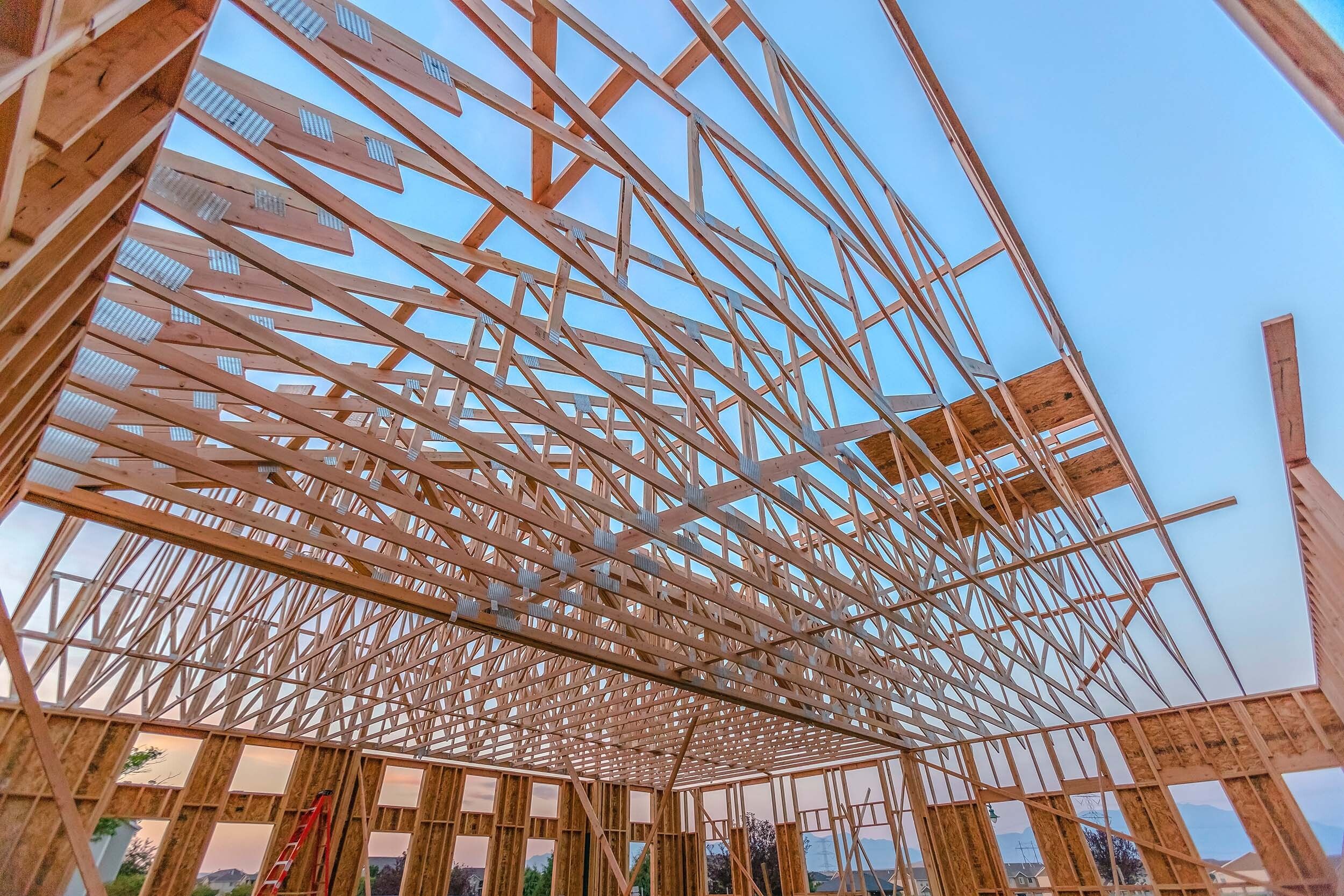
Roof Truss Screws and Fasteners
While hurricane clips are the traditional go-to for fastening trusses to a top plate, SPAX® offers engineered fasteners that will not only provide the same staying power as hurricane clips but will also streamline your building process.
YOU'RE NOT STANDARD. NEITHER ARE WE.
SPAX® POWERLAGS® TRUSS/RAFTER TO PLATE CONNECTION FASTENER
SPAX® engineered fasteners are skillfully designed and tested to increase productivity and keep connections held together stronger for longer. PowerLags® reduce pre-drilling and driving torque by up to 40% while still getting 100% quality and strength – unlike any other conventional lag on the market.
Want to learn more:
Truss Attachment Technical Bulletin/Installation Instruction
DrJ No. 1912-07 POWERLAGS Fastener Properties
DrJ No. 1910-02 Rev 3-01-2023 Truss/Rafter Screw Applications
We’ve Got You Covered
Find the right screw or fastener for your next job with the largest variety of diameters, lengths and head styles in the industry.
Related Products

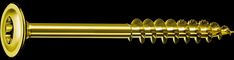

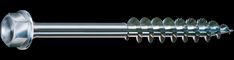

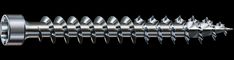

Window packages can run upwards of $20,000 depending on the style on a new build or renovation, making it critical to get the installation right the first time - and without damage to the glass or flanges. Fasteners may at times be treated as an incidental or commodity, but they play an underrated role in protecting your profit margin, meeting code and ensuring long-term integrity. Using nails where screws are a better solution or sub-standard screws can compromise the installation, slow your crew down, or in the case of a damaged window, even shut down a jobsite while you wait for a replacement.
Here are five fastener tips that can make or hopefully not break your next window install:
- Sub-Standard Screws or Nails can Jeopardize the Job
In areas without strict building codes, it’s not unusual to see windows installed with incorrect fasteners: drywall screws or large-headed nails. But these fasteners aren’t designed for the job. They can be made with various types of metal, so you may not know the quality you’re getting. For example, they may be more brittle and phosphate coated, which will not prevent corrosion. Basic nails can break mid-drive, leaving behind a buried stem your crew can’t remove. Worse, the force of driving them can crack the glass or mounting flange when driven through plastic or wooden frames. Since windows can take months to reorder, a single cracked frame or glass panel can halt the jobsite and cost thousands to replace, cutting into your margins.
Use screws engineered for window flange attachment, like premium coated wafer-head screws with a wide bearing surface. These offer strong pull-down force without overdriving, which reduces the risk of cracking the frame or glass.
A T-Star Plus with superior bit is a good fit for its low-torque drivability, especially for a harder material, to prevent stripping. Look for a corrosive-resistant HCR-X coating for long-term durability.
- Ensure a Flush Fit for Proper Window Function
Not all fasteners provide the same end result. Ideally, windows should glide smoothly and function intuitively without having to give it a second thought. But if the fasteners used are too rigid, they may not deliver a clean, flush finish. A window that isn’t installed plumb and square might look fine at a glance, but it might stick, drag, or not close properly. This can also lead to problems like leaks and drafts. It’s also possible that banging in nails could crack vinyl or dent aluminum frames. This can also affect smooth operation.
Screws with tapered heads or reverse-thread designs allow for better countersinking, especially in trim and casing applications, and reduce the need for a do-over or callback. rework. For window trim, use partially threaded screws typically in white, gold or black, that can be easily backed out if they miss the mark, without damaging the substrate. Then you can go back and caulk the small holes.
- Speed Up the Install
Time is money on a busy jobsite, and the small things that slow you down add up fast. Lower-quality nails and screws often lack self-drilling or serrated tips, meaning your crew has to pre-drill holes in wood, PVC, or composite trim. That’s extra steps, extra tools, and extra time per window. They may also have an unstable bit fit, causing cam-outs, where the driver slips out of the screw head. Nails create their own uncertainty, especially with pneumatic nailers, where you can’t control the power. Drive too much and the flange gets cracked. Premium screws that drive in smoothly creates a “gentler” safer install.
Premium fasteners improve strength and jobsite efficiency with no predrilling required. and are designed with a superior bit fit and serrations that achieve more with less torque. That means they start faster, creating a cleaner attachment and quicker, easier fastening with no camming out. Extra time to fasten screws or correct mistakes on a window may seem insignificant, but multiplied across every window in a home or building, the time and labor savings add up. When you’re installing dozens or hundreds of windows, that time saved means staying on schedule, hitting your margins, and moving onto the next phase without delay.
- Choose Fasteners That Stay Put
Once installed, windows face constant stress from severe weather, temperature shifts, and building movement and settling. The wrong fasteners can loosen, back out, or corrode, compromising the building envelope. Cheap screws often lack the holding power or corrosion resistance needed for long-term performance. If the fastener fails, it can trigger costly callbacks and repairs.
Premium screws are engineered to grip and hold. They’re made from stronger materials, feature thread designs that resist loosening over time, and are coated for long-term corrosion resistance in moisture-prone areas like around windows. That means less shifting, fewer leaks, and more peace of mind for you and the end user.
- Know The Code
In some regions, building codes dictate the type, length, or corrosion-resistance level of fasteners used around windows, especially in high-wind or coastal zones. Failing an inspection over a low-quality screw is a preventable mistake. Even in areas with more relaxed codes, following best practices with fastener selection shows professionalism.
All of these tips can boil down to one takeaway: fasteners matter. With the cost of windows and need for a precise install, the cost of premium screws is a small price to pay. What is an extra $50 per job to protect a window that may cost up to $20,000? Don’t just pick up the least expensive package or fish around for what’s available in your toolbox to keep costs down. A premium screw can save thousands in jobsite delays, window replacements, and callbacks.
THE IDEAL REPLACEMENT FOR THE CONVENTIONAL LAG
Matt Risinger from Build Show discusses with Whit Smith, PE, of Smith Structural Engineers, how he designed this very cool open attic which is actually a truss but looks like a traditional rafter setup. SPAX® POWERLAGS® are showcased as an ideal replacement in this construction design for the conventional lag.
SPAX is Independently Tested and Approved
DrJ Engineering TER reports use specialized testing and industry-approved evaluations to certify that products meet specific performance requirements of the appropriate sections of the appropriate building code. We follow ICC AC257 acceptance criteria for all exterior coated screws.
Residential

Building Code
HELP YOUR BUILDINGS STAND UP TO UPLIFT FROM POWERFUL COASTAL STORMS AND CROSS WINDS
Ultimate strength engineered to help your buildings stand up to powerful coastal storms. SPAX PowerLags® Truss Screws with WIROX® coating are designed for interior framing applications and are a code-approved replacement for hurricane clips (TER no. 1910-02 Truss Rafter Properties & application). One time-saving PowerLag Truss Screw can replace an entire bracket and eliminate the need to drive additional nails, dramatically reducing installation time and saving on labor costs.